Spay and Neuter procedures at prairievilleanimalhospital.com: Client Guide
In my years working with pet families, I’ve learned that the decision to spay or neuter a pet sits at the crossroads of health, behavior, and daily life. At Prairieville Animal Hospital, we approach spay and neuter as more than a single procedure. It’s part of a broader commitment to responsible pet ownership, preventive care, and a smoother, more predictable routine for both pets and their humans. This guide shares practical, experience-backed insights you can apply when you bring your cat or dog to prairievilleanimalhospital.com for spay or neuter surgery.
A practical point I’ve seen time and again: owners often underestimate how much a routine preoperative visit, a careful surgical plan, and thoughtful postoperative care can influence your pet’s recovery. When clinics like Prairieville Animal Hospital walk you through what to expect, the whole process feels less mysterious and more manageable. You’ll leave with a clearer timeline, a concrete care plan, and the sense that you aren’t navigating this alone.
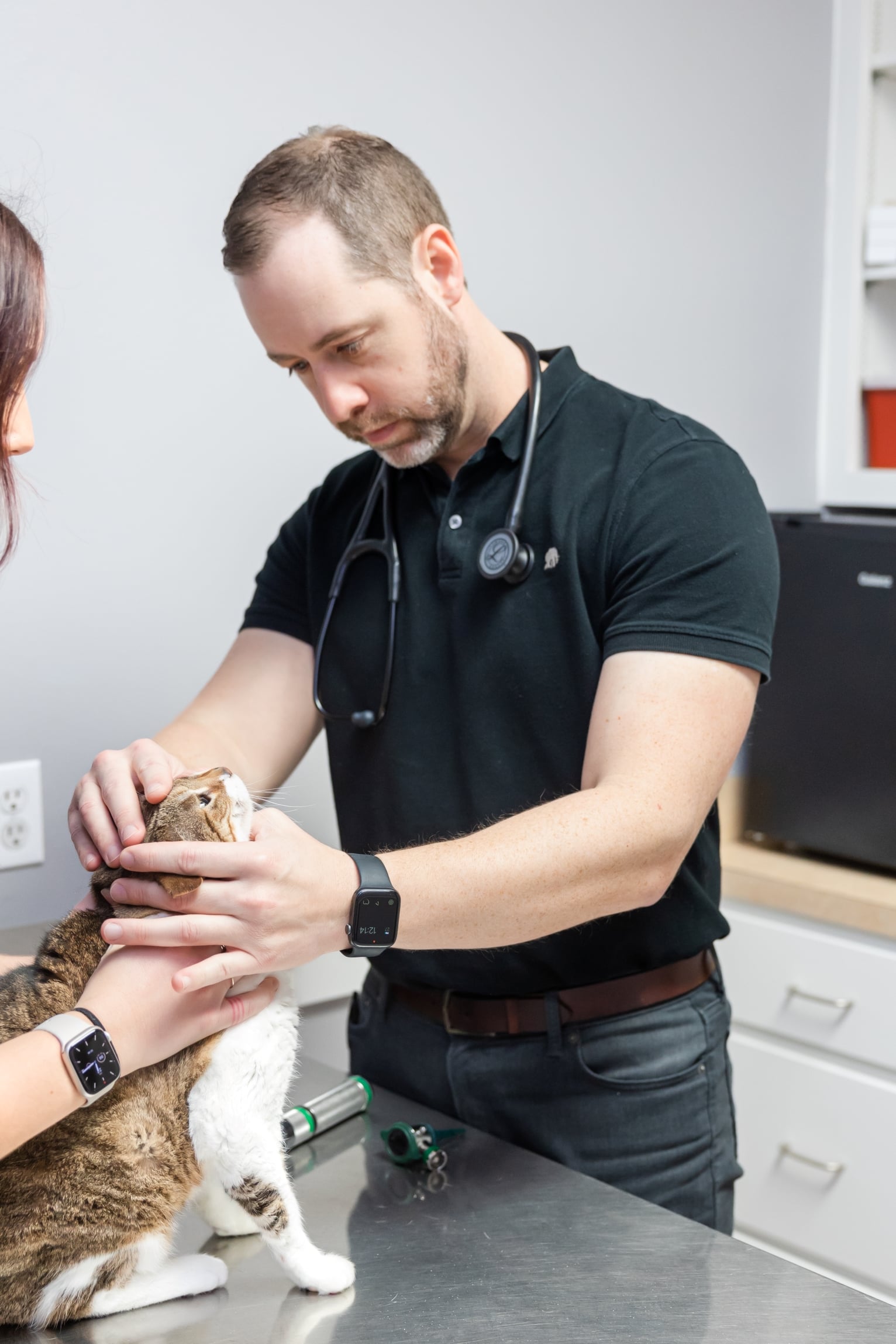
Why spay or neuter matters beyond population control
The medical and behavioral rationale for spay and neuter is grounded in decades of veterinary experience and outcome data. On the medical side, spaying eliminates the risk of pyometra, a life-threatening uterine infection that can require emergency intervention. Neutering male dogs reduces prostate disease and lowers the risk of certain tumors. In cats, early spay can curb lifetime behavior issues linked to mating urges and roaming, which translates into fewer injuries from fights or traffic.
From a day-to-day perspective, many pet guardians report changes in urine marking, roaming behavior, and, in some cases, aggression associated with hormonal cycles. Spay and neuter can flatten some of these seasonal or hormonal fluctuations, making routine visits to Prairieville Animal Hospital for vaccines or wellness exams easier to coordinate. It’s not a magic fix for every behavior, but it often changes the landscape enough that training and enrichment become more effective.
A clear sense of expectations starts with the timing
Timing is a major variable in any spay or neuter decision. For dogs, most clinics recommend procedures after about six months of age, though there are exceptions based on breed, size, and individual health. For cats, the window is typically a bit earlier, but many cats are safely spayed or neutered between four and six months. At Prairieville Animal Hospital, we tailor the plan to each patient. We look at weight, overall health, vaccination status, and any concurrent conditions that could affect anesthesia risk. If your veterinarian suggests delaying a spay or neuter for a medical reason, you’ll have a concrete rationale and a plan for reassessment.
What happens on the day of surgery
A typical day begins with a health assessment to confirm there are no acute concerns that would make anesthesia risky. We review vaccination records and medications, discuss any recent illnesses, and confirm the pet’s weight for dosing precision. The anesthesia team at Prairieville Animal Hospital uses monitoring equipment that helps us track heart rate, oxygen levels, and temperature throughout the procedure. You will be asked to withhold food and water for a set period before surgery, a standard precaution that reduces the risk of anesthesia-related complications.
The actual spay or neuter procedure is straightforward but highly dependent on the animal’s size and surgical history. In most dogs and cats, spaying involves removing the ovaries and uterus or the testicles, respectively. The goal is to minimize postoperative pain and ensure a clean recovery pathway. In our practice, the emphasis is on meticulous technique, careful tissue handling, and strict sterile conditions. The length of the procedure can range from 15 minutes for a straightforward neuter in a small cat to 45 minutes or more for a larger dog with several factors to consider. After the surgery, the pet is monitored as the anesthesia wears off. Pain relief is initiated promptly, and we provide a plan that you can follow at home.
Pain management and safety after surgery
Effective postoperative care rests on controlled pain management and careful observation. Veterinary science has made significant progress in this area. Most pets experience a manageable level of discomfort that improves steadily over the veterinary clinic near me first 24 to 72 hours. We send home anti-inflammatory medications or short courses of analgesics when necessary, with explicit dosing instructions. It’s essential to track appetite, activity level, and any signs of persistent discomfort such as whimpering, reluctance to move, or a swelling at the incision site. If you notice any red flags, contact Prairieville Animal Hospital promptly. Early intervention can prevent minor issues from becoming bigger concerns.
The recovery environment you provide at home matters almost as much as the surgical technique itself. A quiet, comfortable space away from stairs or high-energy play helps. Many pets benefit from a soft bed, a familiar blanket, and limited access to slippery floors. A controlled return to activity is key. You’ll typically start with light leash strolls or short indoor periods before resuming normal exercise, depending on your vet’s guidance. If you have multiple pets at home, plan to supervise interactions to prevent accidental biting or licking at the incision site. That latter point is one I’ve seen repeatedly. A quick lick can become an infection if the wound isn’t protected.
The cost and value equation
Spay and neuter procedures sit at the intersection of preventive medicine and economics. You’ll hear a range of fees that reflect factors like the pet’s size, the complexity of the procedure, anesthesia needs, and whether preoperative blood work or post-operative pain medication is included. In many clinics, spay or neuter surgery at Prairieville Animal Hospital comes with a bundle of value extras—pre-anesthetic screening, standard vaccines if due, and a post-operative check to ensure healing is on track. When you weigh the cost, consider the long-tail benefits: reduced risk of certain cancers, lower chance of reproductive-related health crises, and a decrease in behaviors that can lead to injury or veterinary visits.
Preparing your pet for surgery
The success of a spay or neuter starts long before the day of the operation. A few practical steps help ensure the procedure goes smoothly and recovery is uncomplicated. Confirm dental health and parasite prevention status, since dental health correlates with anesthesia safety in some cases. If your pet is on a chronic medication, discuss with your Prairieville Animal Hospital team how to manage it around the time of surgery. Some medications need to be paused while others can be continued under veterinary guidance. Clear instructions about food and water timing, the exact drop-off and pick-up windows, and who will supervise the post-operative period are all essential.
Two essential preoperative checks stand out in real-world practice. First, a thorough physical examination can reveal subtle issues like early dental disease or soft tissue concerns that don’t present obvious symptoms. Second, a simple blood test can screen organ function and blood counts that influence anesthesia safety, especially in senior pets or those with preexisting conditions. The cost is reasonable compared to the potential benefit of catching something that might complicate surgery. If you’re weighing the pros and cons, think about the long view: a smoother anesthesia experience, a safer recovery, and fewer surprises for you at home.
What to expect after the procedure
After discharge from Prairieville Animal Hospital, most pets wake up with a mild to moderate level of grogginess, which is normal. The exact demeanor varies—some pets are perky within a few hours, others take longer to regain their usual energy. The key is to separate normal post-surgical rest from signs that require veterinary attention. Appetite typically returns within 24 hours, and many pets resume their regular litter or feeding routines quickly after neutering, sometimes with a small appetite boost due to anesthesia wear off. If your pet has a delayed return to normal activity or shows persistent vomiting or diarrhea, contact us so we can assess and guide you.
Incision care is one of the most practical, day-to-day concerns for families. In most cases, your veterinarian will recommend keeping the incision clean and dry, watching for redness or swelling, and preventing licking. A protective device such as an Elizabethan collar might be advised for a short period. It’s not a sign of failure if your pet chews lightly on the area or if the incision looks a little pink. It’s more important to monitor for any discharge, an opening of the incision, or signs of systemic illness such as lethargy or poor appetite. You’ll receive a clear postoperative plan at discharge, with timelines for when to resume normal activities and when to schedule a follow-up check.
Edge cases and common misconceptions
Every practice sees dogs and cats with unique needs, and spay or neuter is no exception. For example, very large breeds may require adjustments in anesthesia protocols or pain management strategies due to slower metabolic clearance. Old age can also complicate decisions. In some cases, a senior animal can still benefit from the procedure, but risk assessment becomes critical, and the team may recommend additional monitoring or tests. Another situation involves multi-pet households where one pet is recovering from surgery while others are active. The team at Prairieville Animal Hospital can help you structure a recovery plan that minimizes stress for both the recovering pet and the household.
A frequent misconception is the idea that spay or neuter is a one-time solution that guarantees behavioral changes. While hormonal factors influence certain behaviors like roaming or urine marking, training, environmental enrichment, and consistent routines still play vital roles. Expect a period of adjustment after surgery and approach it as a combined effort with your veterinarian, trainer if you work with one, and family members. This realistic perspective helps prevent frustration and ensures you’re setting up your pet for durable improvements over time.
Practical guidance that translates to everyday life
From a clinician’s perspective, there are small, concrete routines that make a big difference. For one, schedule follow-up checks promptly. A week after discharge, a quick check helps confirm healing and identify any concerns before they become problems. For another, keep a simple log of the pet’s activity and appetite for the first few days. The data doesn’t only reassure you; it gives your veterinarian a precise signal if something deviates from the expected recovery curve.
If you’re torn between timing and other life commitments, a practical approach is to map out your calendar with the surgery date in mind. Identify potential conflicts—travel plans, busy work periods, family events—that could interfere with postoperative care. Then, discuss a contingency plan with Prairieville Animal Hospital. We’ve seen families restructure routines so that someone is at home for at least the first full day after surgery, which reduces anxiety for the pet and gives you a higher confidence level in home care.
Two essential checklists to keep in your wallet
To expedite your planning and reduce uncertainty, consider these two concise checklists. They are designed to capture the practical steps you’ll repeat with each patient visit and recovery period, not to overwhelm you with jargon or unnecessary steps.
-
Preoperative readiness checklist: 1) Confirm vaccination status and recent health history with the clinic 2) Review medications and schedule any necessary hold periods 3) Confirm fasting instructions and drop-off time 4) Ensure a safe transport plan for your pet to Prairieville Animal Hospital 5) Understand the postoperative plan and who to contact with questions
-
Postoperative care checklist: 1) Monitor pain control and administer medications as prescribed 2) Check the incision for redness, swelling, or discharge daily 3) Limit activity and avoid stairs or jumping for the recommended period 4) Prevent licking with the invited collar or alternate protection if advised 5) Schedule and attend the follow-up check to confirm healing progress
A note on aftercare education
We recognize that care after surgery involves more than instructions on a sheet. It’s about reinforcing a sense of calm and routine. Families often tell me that having a written plan plus a quick call or message to Prairieville Animal Hospital if a concern arises makes a real difference. The tone in our clinic is practical rather than alarmist. We want you to feel prepared, not overwhelmed, while your pet moves through recovery with as little disruption as possible.
Spay and neuter as part of a broader care plan

Spay and neuter are important components of a broader preventive care plan. They often connect with pet wellness exams and vaccination boosters to maintain health across the animal’s life. At Prairieville Animal Hospital, we view wellness as a continuum, not a single event. A well-timed spay or neuter pairs with vaccines and routine dental care to prolong your pet’s health and quality of life. Vaccinations for pets should be aligned with age and exposure risk, and we approach dental care with the same level of practical attention that we bring to surgical planning. This integrated approach helps you manage costs, logistics, and the emotional side of pet ownership.
A personal perspective from the clinic floor
During multiple seasons of practice, I have watched families navigate the emotional and logistical challenges surrounding spay and neuter. I remember one dog owner with a high-energy border collie who faced repeated pre-dawn trips due to roaming instincts. After the procedure, the dog settled into a calmer routine, and the owner found the day-to-day management easier. It wasn’t a panacea for every behavioral quirk, but it did transform daily life in meaningful ways. Another cat owner reported improved litter box habits after spay, which translated into a cleaner living space and less friction with a cat who previously avoided certain areas of the house. These are not universal outcomes, but they illustrate how improved health and stability can influence daily life and reduce stress for both pets and guardians.
Is spay or neuter the right move for your pet right now
If you’re weighing options, a candid conversation with the Prairieville Animal Hospital team often provides the clarity you need. We’ll review your pet’s health history, anatomy, and risk profile, and we’ll help you plan a strategy that aligns with your family’s schedule and finances. We’ll also discuss alternatives when necessary. In some cases, for example, a staged approach may be recommended for large dogs or pets with complex medical histories. It’s not about pushing a particular outcome; it’s about selecting the best path for your pet’s health, comfort, and long-term wellbeing.
Closing thoughts
Spay and neuter procedures are common, but they carry real implications for a pet’s health, behavior, and daily life. The team at prairievilleanimalhospital.com approaches each case with a blend of surgical precision, medical prudence, and practical caregiving. The aim is straightforward: to make the experience as safe, predictable, and positive as possible for you and your pet. If you are preparing to bring your dog or cat to Prairieville Animal Hospital for spay or neuter, you now have a clearer sense of what to expect, a practical plan for preoperative preparation, and a structured path for recovery that has proven effective in real-world practice.
The journey from preoperative planning to postoperative healing may feel long, but the steps are logical and manageable when you work with a veterinary team you trust. Our clients often tell us that the combination of careful anesthesia, thoughtful pain management, and clear post-operative guidance makes the entire experience less stressful than they anticipated. That sense of reassurance matters. It translates into calmer pets, more predictable recovery, and, ultimately, a stronger foundation for preventive care and a healthier life for your companion.
If you are considering spay or neuter and want specific guidance tailored to your pet, reach out to Prairieville Animal Hospital. We are ready to listen, to assess, and to guide you through the process with the same care and attention we bring to every patient who walks through our doors. The goal is simple and shared: a healthy, happy pet and a family that feels confident in the care their animal receives.