Pet Wellness Exams Prairieville Animal Hospital: Frequency by Life Stage
Wellness exams at Prairieville Animal Hospital are more than a routine checkup. They are a roadmap for a pet’s health, tailored to where an animal is in life, the risks they face, and the daily realities of a busy household. From a bright-eyed puppy sprinting through the living room to an aging cat who spends more time on the windowsill than the carpet, the pattern and purpose of wellness visits shift. The aim is not just to catch disease early but to partner with families in practical, repeatable ways that fit real life.
What follows is a practical guide drawn from years of seeing pets across life stages. It is not a one-size-fits-all script, but a framework that helps owners understand when to schedule visits, what to expect during each phase, and how to balance preventive care with your pet’s temperament, medical history, and activity level.
A framework that respects life stages begins with a simple premise: prevention compounds over time. Small decisions in adolescence shape outcomes years down the road. The veterinary team at prairievilleanimalhospital.com has learned that the timing of exams, vaccines, dental care, and proactive screenings matters as much as the care itself. The goal is a trajectory of good health that aligns with daily life, finances, and the bond between pet and family.
Life stage matters, but so do individual twists. In practice at Prairieville Animal Hospital, a 6-month-old mixed breed dog whose family includes a high-energy child presents different needs than a senior terrier with chronic arthritis and a fondness for sleeping on the couch. Both are excellent candidates for preventive care, but the cadence, tests, and discussions differ. The following sections lay out a practical cadence by life stage, with the caveat that exceptions exist and your veterinarian may tailor plans to your pet’s unique situation.
Puppies and kittens: the window that sets the tone
The first year of a pet’s life is nothing if not a learning curve for families. Puppies and kittens bring boundless curiosity, rapid growth, and a slate of infectious disease concerns that make early wellness visits essential. In the clinic, the aim of each appointment is twofold: promote robust growth and establish a healthcare partnership that persists into adulthood.
The initial visits will cover growth milestones, weight trajectory, and behavioral observation. Expect discussions about feeding schedules, weight management, and the transition from bottle or milk replacer to solid foods. The team guides families through microchip safety, parasite prevention, and the basics of dental care that should start the vet near prairieville la moment teeth appear. Vaccination plans are mapped out with an eye toward local risks, exposure patterns, and the pet’s planned activities.
As these youngsters accumulate vaccinations and routine screenings, the frequency tends to be higher in the first year. The team often recommends wellness exams every 3 to 4 weeks during rapid growth phases, gradually extending the interval as stability is achieved. It is a practical rhythm designed to catch developmental issues early, such as orthopedic concerns in rapidly growing large breeds, or congenital conditions that manifest in the first year.
There is also a behavioral dimension to these visits. Early socialization and training align with medical care in a way that reduces stress for both pet and owner. When a veterinarian can observe how a dog interacts with strangers, a cat with a new scratching post reveals its preferences, or a puppy reveals food and play behavior, those insights inform the medical plan. In practice at Prairieville Animal Hospital, preventive care becomes a shared habit rather than a series of episodic visits.
Adolescence and early adulthood: maintaining momentum
After the burst of growth and the initial vaccination series, wellness exams settle into a cadence that reflects a blend of prevention and prevention-adjacent concerns. For dogs and cats that appear healthy at age one to three, annual wellness checks cover the essentials: physical exam, weight assessment, parasite prevention, vaccination updates, and a review of preventive care needs. The frequency remains steady because this is the period when chronic conditions often begin to emerge subtly, even if a pet appears fully active.
Vaccination schedules for adolescents are not a simple repeat of the puppy or kitten plan. They are adjusted to the pet’s exposure risk and the local environment. The Prairieville team often coordinates with owners around changes in living conditions—say, a move from apartment life to a fenced yard, or increased outdoor access in rural settings. A practical approach is to expect a visit aligned with the annual timeframe, but with flexibility to add a recheck if a new risk factor arises, such as a new household pet or a change in routine that increases exposure to parasites.
Dental health becomes more central in this life stage. Regular dental cleanings are not merely about fresh breath. They influence heart and kidney health in the long run. The veterinary team routinely advises a dental plan that includes home care, professional cleaning when indicated, and reevaluation of dental concerns at annual visits. The costs and benefits of dental care are weighed with each patient, but the underlying principle remains steady: maintain function and comfort to support daily activity.
This is also a period when owners begin to grapple with the idea of age-related changes that are not obvious yet. A slight shift in energy, a slower pace during heat or cold, or a tendency to gain weight with reduced activity can be subtle signals. The appointment is a chance to review diet, exercise, and activity levels in a way that keeps momentum without forcing a lifestyle change that the owner cannot sustain. In practice, the veterinarian listens for these signals and translates them into concrete steps that can be implemented without dramatic upheaval.
Midlife and the approach of senior years: vigilance grows
As pets approach middle age, the focus pivots toward early detection of health problems that become more common with age. For many dogs, 5 to 7 years marks the onset of a higher risk for conditions like dental disease, obesity, arthritis, and metabolic or endocrine disorders. Cats often move into a similar risk band a little earlier, though the pace varies by breed, genetics, and lifestyle. The wellness exam becomes a more structured health review, with a raised emphasis on monitoring and early intervention.
A yearly physical examination remains central, but the exam expands to include targeted screening based on risk factors. In Prairieville, that means a thoughtful combination of lab work, imaging when indicated, and a careful review of daily habits that might reveal emerging problems. The goal is not to chase diseases but to identify subtle changes that could indicate something that will benefit from early treatment.
One practical aspect of midlife care is weight management. Obesity is a major risk factor for a range of diseases, from diabetes to joint disease to certain cancers. A practical plan often begins with a precise body condition score, a measured approach to diet, and a tailored exercise regimen that respects the pet’s joints and energy level. The veterinarian can provide guidance on portion sizes, food brands, and enrichment activities that keep the pet active without overexertion.
Dental care often becomes more urgent in midlife. Chronic dental disease is not merely a cosmetic issue. It can influence systemic health by creating bacteria-laden pockets that travel through the bloodstream. Regular dental cleanings, at-home care, and early treatment for any signs of dental pain are central tenets of midlife wellness planning. The veterinary team typically weaves dental health into the annual plan, ensuring owners understand the link between daily routines and longer-term well-being.
Senior years: emphasis on quality of life and tailored care
For many pets, senior years begin around 7 to 10 years of age, though the exact threshold depends on breed and individual health. In these years, wellness visits assume a more directed, sometimes more frequent rhythm. Owners and veterinarians collaborate to balance tests, treatments, and comfort with the pet’s daily life and the family’s preferences.
During the senior phase, the frequency of wellness exams may increase to every six months if a pet has a chronic condition or is living with significant risk factors. Each visit becomes a comprehensive health review, combining a physical examination with targeted screenings such as kidney function testing, liver enzymes, thyroid testing, and heart health assessment when indicated. Blood pressure checks and urinalysis can uncover issues that would otherwise remain hidden for longer.
Arthritis and mobility decline are major concerns that shape care plans. The team focuses on strategies that preserve mobility and comfort, including weight management, mobility aids, physical therapy suggestions, and appropriate levels of activity. Pain management becomes a major thread in conversations, with a careful balance between quality of life and potential side effects of medications. The goal is to maintain engagement with people, play, and routine.
Cognitive health is another frontier in the senior years. Just as humans face age-related cognitive changes, pets can experience canine or feline cognitive decline. Routine mental stimulation through play, environmental enrichment, and appropriate enrichment tools can support cognitive function and maintain daily routines that bring comfort and predictability.
In this stage, the clinician’s job is to translate complex health information into practical, manageable steps. Owners often benefit from clear, written plans that outline what to monitor at home, when to seek urgent care, and how lifestyle adjustments can reduce risk. This is not about treating every condition at once but about prioritizing interventions that yield meaningful improvements in daily life.
Special populations and circumstances: tailoring care to the individual
Life stage alone does not capture the full complexity of a pet’s preventive care. Some animals come with special needs that require adjustments to the standard cadence. Working dogs, senior rescues with uncertain medical histories, or pets with chronic diseases such as diabetes, kidney disease, or cardiac conditions need a more nuanced approach. In these cases, Prairieville Animal Hospital emphasizes a partnership with the family, aligning medical recommendations with the animal’s temperament and the owner’s ability to manage ongoing care.
Puppies and kittens born into shelter environments or families with limited resources may require a different ramp-up in preventive care. The team commonly crafts a plan that prioritizes essential vaccines and parasite prevention while laying a foundation for future visits that fit the family’s schedule. For pets with chronic conditions, regular monitoring becomes a non-negotiable part of care, often with a flexible schedule to respond to changes in health status.
Preventive care by life stage: practical cadence
The question many owners ask is: how often should I bring my pet in for wellness exams? The answer is not one-size-fits-all, but there are strong patterns that work in most households, especially in the Prairieville area where local risks shape the plan. For healthy puppies and kittens, a schedule driven by rapid growth and immunization needs typically means more frequent visits in the first year. After that, annual wellness exams become the norm for most adult pets, with semiannual visits recommended for many seniors or animals with chronic conditions.
A well-rounded plan combines vaccinations, parasite control, dental care, and screening tests in incremental steps during each visit. Vaccination timing should reflect the pet’s age, risk of exposure, and local disease prevalence. Parasite prevention is a year-round responsibility for most families, with adjustments for seasonal changes, geographic conditions, and travel plans. Dental health is an ongoing priority, with professional cleanings spaced according to dental health status and home care quality.
The practical cadence is not just about dates on a calendar. It is about what each visit accomplishes in terms of everyday life. A puppy may leave the clinic with a vaccination schedule, a parasite prevention plan, and a starter kit for home dental care. A midlife dog might receive a comprehensive health assessment, a review of weight and activity, and targeted screenings that flag any early signs of disease. A senior cat could depart with a tailored plan that emphasizes comfort, mobility, and cognitive health while keeping an eye on kidney function and heart health.
Examples and anecdotes from the field
No two pets are exactly alike, and the value of wellness visits shows up in real-life examples. One Labrador retriever, adopted as a rambunctious two-year-old, benefited from a wellness plan that emphasized weight management and joint health as activity levels remained high. Regular exercise, a measured diet, and timely orthopedic recommendations kept the dog active well into its senior years. The family could maintain an enjoyable lifestyle without being blindsided by a sudden health issue, precisely because preventive care and timely interventions created a predictable path.
Another case involved a senior cat whose owner initially worried about the costs of frequent veterinary visits. The veterinary team worked with the owner to structure a plan that balanced preventive care with home monitoring. Small signs, such as a slight decrease in appetite and minor changes in litter box habits, prompted early investigations that revealed a treatable kidney issue. Treatment improvements and adjustments to the diet translated into better energy and appetite, extending the cat’s quality of life and daily happiness. In both cases, the relationships formed in the exam room, the honest conversations about risks and benefits, and the willingness to adapt over time made the difference.
What a typical wellness visit includes
During a wellness exam, the veterinarian will review the pet’s medical history, assess current concerns, and perform a thorough physical examination. They will palpate muscles and joints, listen to the heart and lungs, and evaluate the eyes, ears, nose, mouth, and skin. Weight is tracked against prior measurements, and the veterinarian notes any changes in body condition or gait. A clear plan for vaccines, parasite control, dental care, and screening tests follows from the findings of the exam.
In practice, a well-rounded visit also includes practical counseling tailored to your life. The veterinarian will discuss nutrition and portion control, environmental hazards, and strategies to maintain an active lifestyle that suits your pet’s age and energy level. If testing is indicated, you can expect a discussion about why the test is recommended, what it can reveal, and the implications for treatment or management. The aim is to empower owners with information and options that are realistic to implement.
Two lists to anchor decisions
What to expect in terms of a practical plan for wellness care, organized as two short lists:
-
The essentials you should know for any age 1) Regular physical exams spaced according to age and risk 2) Updated vaccinations aligned with exposure and local disease patterns 3) Consistent parasite prevention 4) Routine dental care, including home care and professional cleanings when needed 5) Basic screening tests that track kidney function, liver enzymes, and metabolic health
-
When to consider more frequent visits 1) Senior pets or those with chronic conditions 2) Pets with new or ongoing health concerns 3) Animals with significant changes in weight, appetite, or activity 4) Pets starting a new home or routine that increases exposure to pathogens 5) Post-illness recovery periods where close monitoring matters
These lists are practical anchors, not rigid rules. The reality on the ground is that health is a moving target, and the team at Prairieville Animal Hospital adapts to the particular family and pet.
Spay and neuter, dental care, and surgery as preventive pillars
Spay and neuter decisions intersect with wellness in meaningful ways. In many cases, sterilization reduces a range of health risks and helps with behavioral management. The timing of the procedure is individualized, balancing medical readiness with the pet’s development and the family’s readiness to handle recovery care. When performed in the appropriate window, spaying and neutering contribute to a longer, healthier life and make preventive health maintenance more manageable in the long run.
Dental care is another foundational element of preventive wellness. Dentition has a direct line to systemic health, and routine dental cleanings, coupled with home care, offer tangible benefits in terms of comfort, appetite, and overall vitality. The care plan for dental health is woven into annual examinations, but it is also reinforced with coaching on brushing techniques, dental-friendly treats, and routine monitoring for signs of gum disease or tooth pain. This is a clear example of how preventive care can prevent more significant health issues later, and it is a recurring part of the conversation at Prairieville Animal Hospital.
Pet surgery is framed within a preventive context as well. When surgical intervention is necessary, the veterinary team emphasizes safety, comfort, and rapid recovery. The preventive angle is seen in preoperative evaluations designed to reduce risk, careful anesthetic planning adapted to the pet’s age and health status, and a postoperative plan that supports healing and continuous monitoring. Even routine procedures benefit from this pragmatic approach, where the focus is on predictable, humane care that minimizes stress and maximizes function.
Sustainability of preventive care in a busy life
For many families, scheduling around work, school, and household duties is the core constraint. The practical approach in Prairieville is to treat wellness visits as a non-negotiable part of daily life, while remaining flexible enough to accommodate the occasional disruption. The clinic places emphasis on predictable planning, such as setting reminders, aligning visits with grooming or boarding schedules, and coordinating care across multiple pets when needed. The goal is to create a sustainable routine that reduces the likelihood of lapses in preventive care, especially for pets that thrive on routine and predictability.
Families often discover that the upfront investment in preventive care yields cost and quality-of-life dividends over time. Vet visits are not just about treating illness; they are about identifying and addressing issues before they escalate into emergencies. The conversations around affordable options, such as phased testing or tiered care plans, reflect a practical understanding of real-world constraints. In practice, this means owners are empowered to choose plans that fit their budgets and the pet’s needs without compromising health.
Practical guidance for Prairieville households
A straightforward approach helps families implement the wellness cadence without becoming overwhelmed. Start with a clear schedule that aligns with the pet’s life stage, then build in routine home care that supports the clinic’s plan. Maintain open channels with the veterinary team so adjustments can be made quickly if a pet’s health or lifestyle changes.
In addition to medical steps, owners should incorporate environmental and daily routines that support preventive care. Regular exercise, a stable feeding schedule, and consistent brushing can all contribute to better health outcomes. When families see these routines as part of a broader wellness philosophy rather than a series of separate tasks, adherence improves and the long-term benefits become more apparent.
A note on local considerations and practical expectations
The Prairieville area has particular environmental and disease profiles that shape preventive care. The clinic keeps a pulse on regional parasite patterns, common infectious risks, and the local availability of resources such as dental services and surgical options. This context matters because the recommended frequency and scope of wellness visits respond not only to a pet’s age but to the realities of daily life in the region. By combining life stage with practical risk assessment, the veterinary team can tailor recommendations that are both effective and feasible.
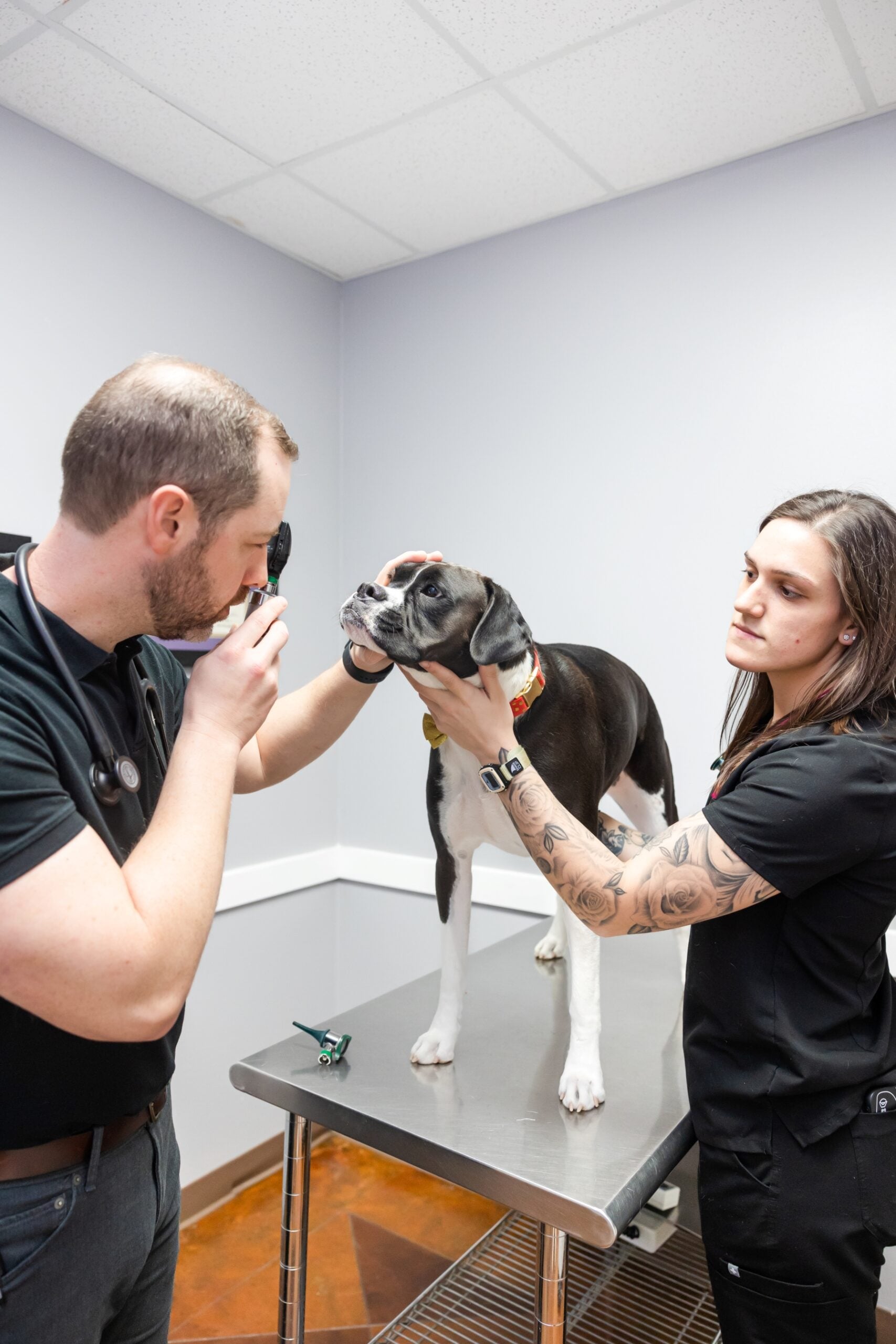
In the end, wellness exams are about partnership. The veterinarian brings medical expertise, the owner brings day-to-day knowledge of the pet, and the two sides work together to design a plan that is both meaningful and actionable. The most successful preventive programs are those that owners can maintain with confidence, knowing that each visit builds a stronger foundation for the years ahead.
Final reflections on frequency by life stage
The cadence of wellness exams evolves with age, but the underlying philosophy stays consistent: prevention that respects the animal’s experience and the family’s capabilities yields the best long-term outcomes. From the puppy’s first days to the golden years, a thoughtfully structured plan translates into fewer surprises and a more enjoyable life for both pet and owner. Prairieville Animal Hospital is built on this practical, humane approach, where every appointment is an opportunity to confirm health, adjust plans, and reinforce the shared commitment to a thriving life for every patient who walks through the door.